Your manuscripts have a story to tell.
Palimora transcribes handwritten and historical printed documents — difficult hands, multi-page PDFs, historical scripts — so you can read, search, and cite, not just archive.
Create an account
See how it worksGet the iPhone app (beta) (opens in a new tab, via TestFlight)Scan and transcribe for free
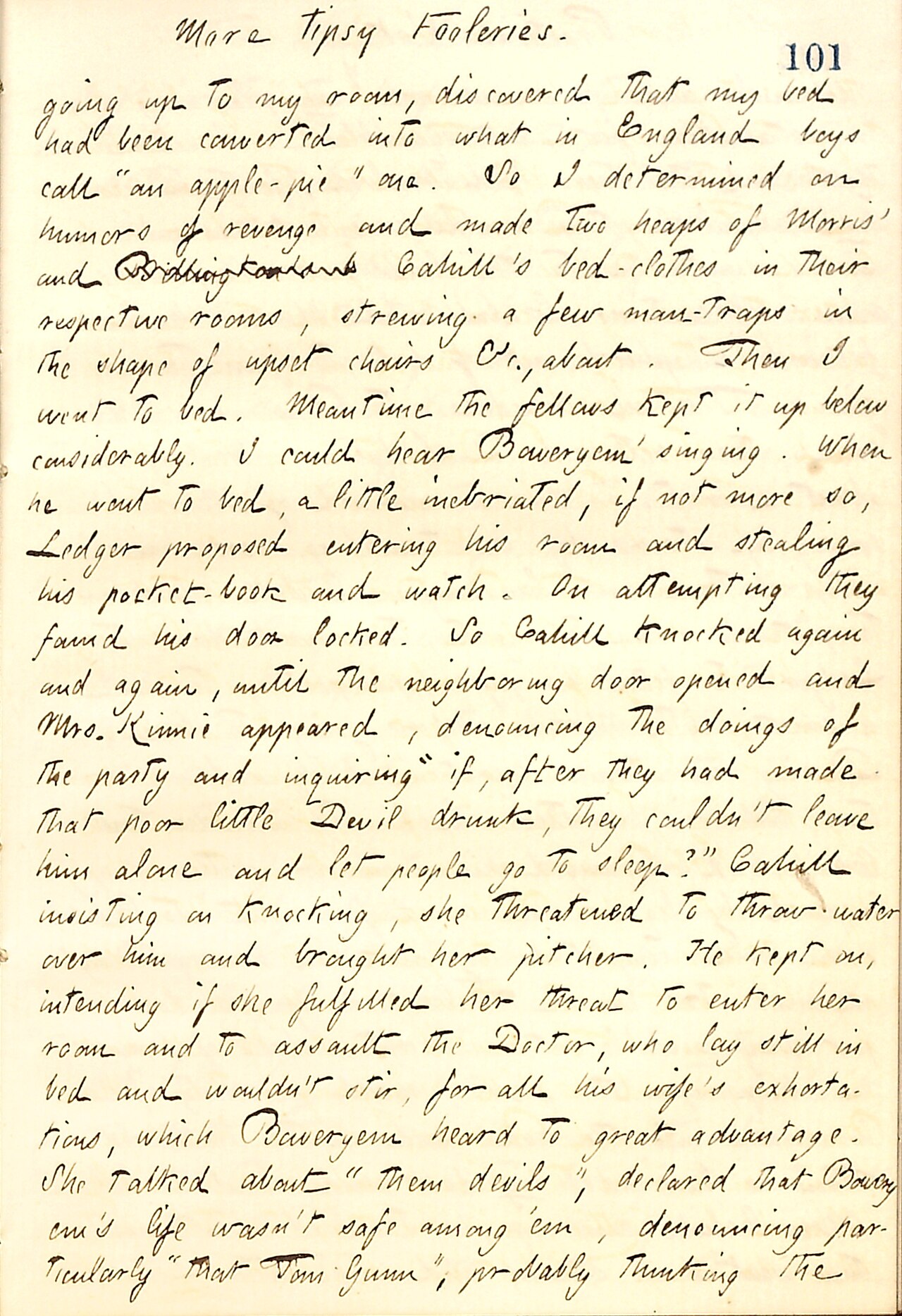
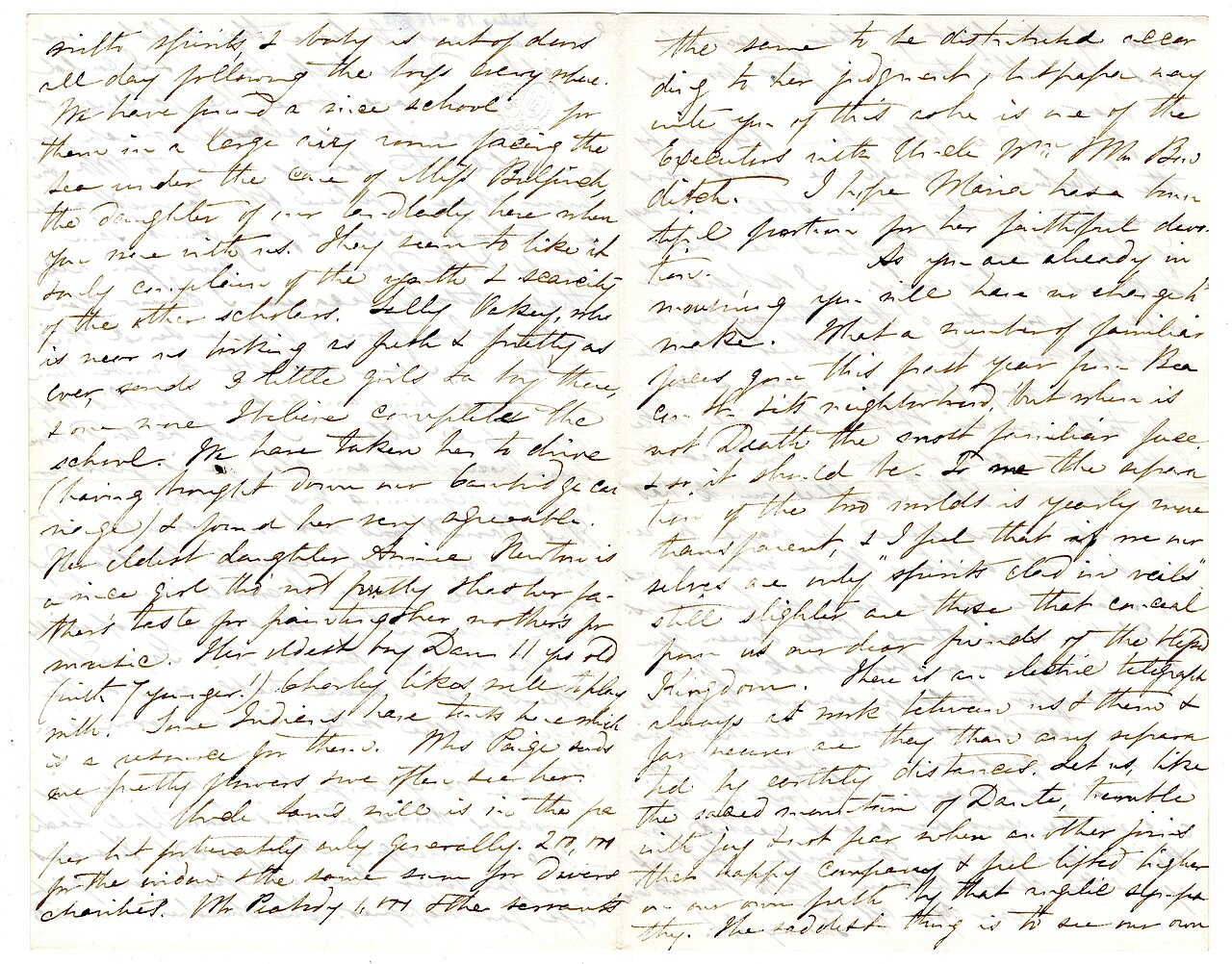
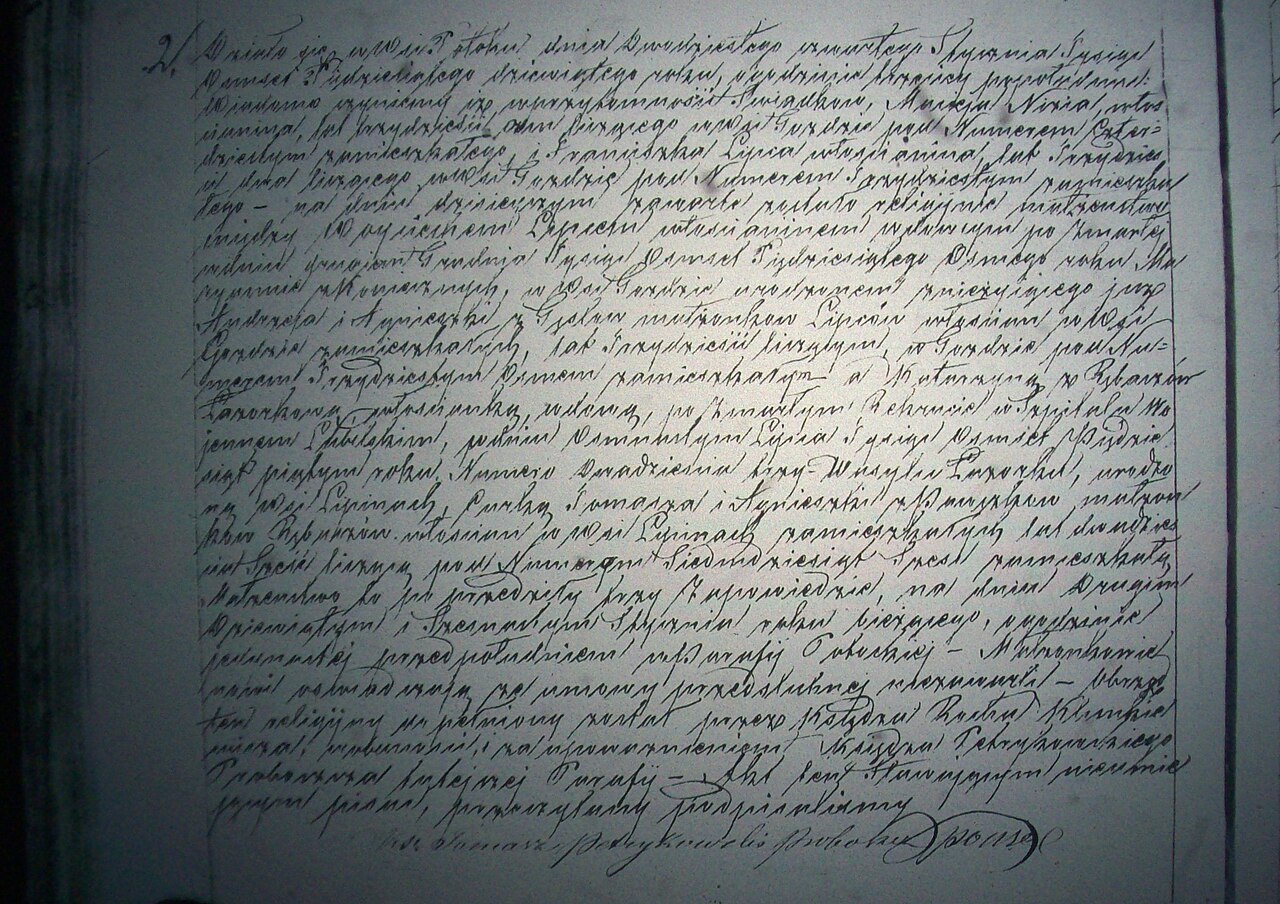
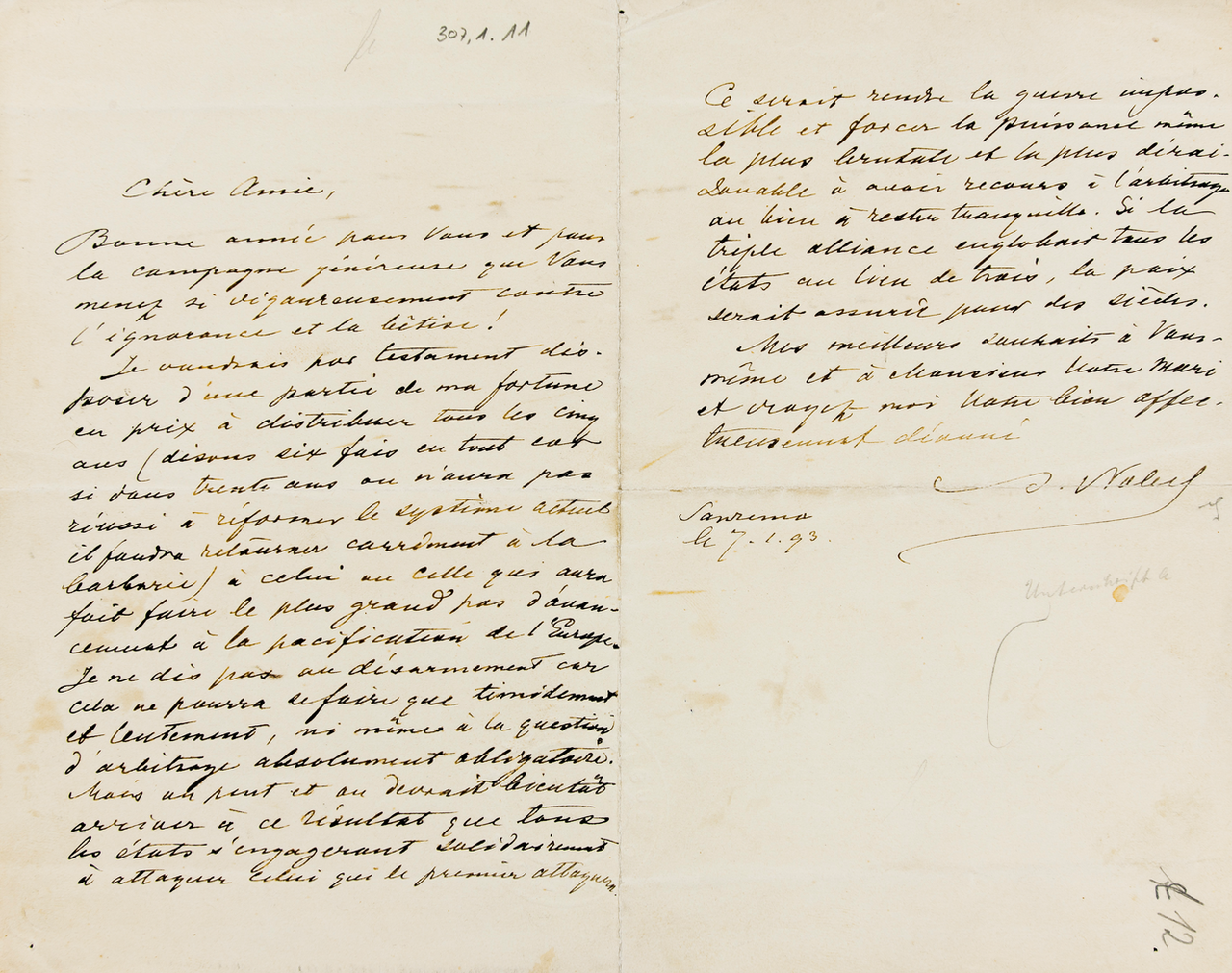
Old paper, transcribed today
What Palimora recognises
- Handwriting, from the 18th century to today
- Historical print and multiple scripts
- Multi-page PDFs, processed page by page
- Plain-text or ALTO XML export
Recognition rate: figures published soon
Free scanning and transcription
No mandatory subscription. Credits are only used on the web, for proofreading and book creation.
See pricing →Frequently asked questions
- What formats are supported?
- PDF, JPEG, PNG, WebP, HEIC/HEIF. Multi-page PDFs are split into pages automatically.
- What happens to my documents?
- Your files and transcriptions belong to you. Handling is detailed in our privacy policy.
- How do credits work?
- Scanning and transcribing your pages is free. Credits pay for some web actions: running a transcription again, covers, portraits and exports. 100 credits are free on signup.
- Can I cancel any time?
- Yes. Packs are one-off purchases with no commitment; the Atelier subscription can be cancelled any time from your account.
How it works
Drop it in
Drag in your PDFs or images — manuscripts, print, multi-page.
Transcription
AI recognises the handwriting and produces a first pass.
Correct and export
Review page by page in Review, then export as text or ALTO.